Arctic Expedition Cruises Bring Travelers to Greenland’s Isolated Communities
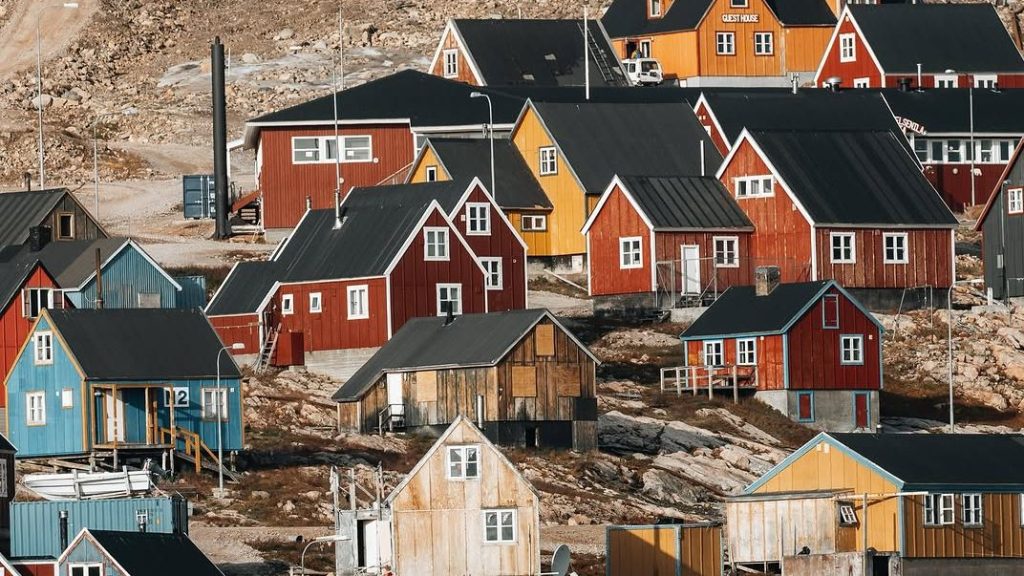
The vibrant houses of Igaliku emerge from the mist like a colorful beacon against the dramatic backdrop of the fjord. These brightly painted structures represent the first signs of human habitation encountered after hours of navigating through Greenland’s pristine wilderness. As the world’s least densely populated territory, Greenland spans 836,000 square miles with only 56,000 residents scattered across its vast expanse.
This Arctic adventure unfolds aboard Le Lyrial, a sophisticated 245-passenger expedition vessel operated by French cruise line Ponant. The ship combines luxury amenities including a rooftop pool with expert naturalist guides who provide deep insights into the region’s unique ecosystem. The comprehensive 10-day voyage traces Greenland’s coastline in a sweeping U-shaped route, beginning in Tasiilaq on the eastern shore and culminating at Disko Bay on the western coast of this Danish territory.
Arctic cruising has gained tremendous momentum in recent years, with Greenland emerging as a premier destination for adventurous travelers. The territory’s accessibility improved significantly with the opening of Nuuk Airport, which now offers direct flights to Newark, reducing travel time to just four and a half hours. This enhanced connectivity attracts visitors seeking authentic polar experiences that Antarctica cannot provide: encounters with living communities that have thrived in these extreme conditions for millennia.
The logistics of exploring Greenland remain formidable. The massive Greenland ice sheet covers approximately 80 percent of the landmass, making overland travel between regions virtually impossible. Unlike established Arctic destinations such as Svalbard or Reykjavik, which boast well-developed tourism infrastructure, Greenland’s offerings are still evolving. Local tour operators are rapidly expanding their services to accommodate the surge in international visitors, which reached a record 150,000 in 2024—nearly triple the nation’s entire population.
Expedition cruise ships prove essential for navigating Greenland’s challenging terrain. These specialized vessels can maneuver through unpredictable weather patterns and thick ice formations, providing access to the territory’s 27,000-plus miles of coastline and connecting remote communities where traditional transportation infrastructure simply doesn’t exist.
Igaliku exemplifies these isolated settlements, housing just 30 residents among buildings that outnumber the human population. Most inhabitants trace their ancestry to Anders Olsen, a Norwegian merchant, and his Greenlandic wife Tuperna, who established their home here in the 1780s. The community sits near Garðar, a UNESCO World Heritage site containing Norse settlement ruins, including the remains of North America’s first cathedral from 1126.
Local guide Arnajaraq Bibi Bjerge, who serves as both the town’s schoolteacher and mother of three, leads visitors through the archaeological site. When asked about daily life in such an isolated community, she describes a routine centered around preparing children for school, teaching, tending farm animals, and resting. For entertainment, residents gather for card games—a simple pleasure that underscores the community’s close-knit nature.
The journey continues to Tasiilaq, a larger settlement with approximately 1,850 residents. Local guides showcase the town’s essential features, including a supermarket that depends on biweekly supply deliveries from Iceland and mainland Denmark. During winter months, sea ice renders the community completely inaccessible to regular supply vessels. However, modern expedition ships are helping address these challenges—Ponant’s icebreaker Le Commandant Charcot successfully delivered crucial supplies to Tasiilaq when other ships couldn’t penetrate the frozen conditions.
The cultural highlight of the Tasiilaq visit occurs in the community recreation hall, where visitors experience an authentic Inuit qilaut drum performance. The mesmerizing rhythms of caribou skin drums combined with the haunting vocal traditions of local performers create a profound connection to generations of Arctic inhabitants who have maintained these cultural practices through countless winters.
As expedition cruise lines including Viking, Silversea, and Scenic expand their Arctic offerings, they must balance tourist demands with the needs of these small communities. The ability to adapt quickly to changing Arctic conditions while respecting local customs becomes increasingly important as more travelers seek meaningful connections with Greenland’s resilient populations.