Desk Lamps for Productivity and Eye Comfort

Disclosure / Affiliate Notice:
As an Amazon Associate I earn from qualifying purchases. Some links in this article may be affiliate links that earn me a commission at no extra cost to you.
Most people accept eyestrain and fatigue as inevitable parts of desk work, but this resignation stems from a fundamental misunderstanding of how lighting affects our cognitive performance. After years of observing workplace habits, I’ve become convinced that poor lighting is one of the most overlooked productivity killers in modern offices and home workspaces.
The problem isn’t just discomfort—it’s that inadequate lighting creates a cascade of issues that compound throughout the day. Your brain works harder to process visual information, your posture deteriorates as you lean closer to compensate for poor visibility, and your focus fragments as your eyes constantly readjust to varying light conditions.
Why Task-Specific Lighting Changes Everything
Here’s what most productivity advice gets wrong: it treats all work as the same. In reality, your brain processes different types of tasks most effectively under different lighting conditions. When you’re analyzing spreadsheets, you need crisp, bright illumination that reveals every detail. When you’re brainstorming or reviewing concepts, softer lighting actually encourages the kind of relaxed thinking that generates creative insights.
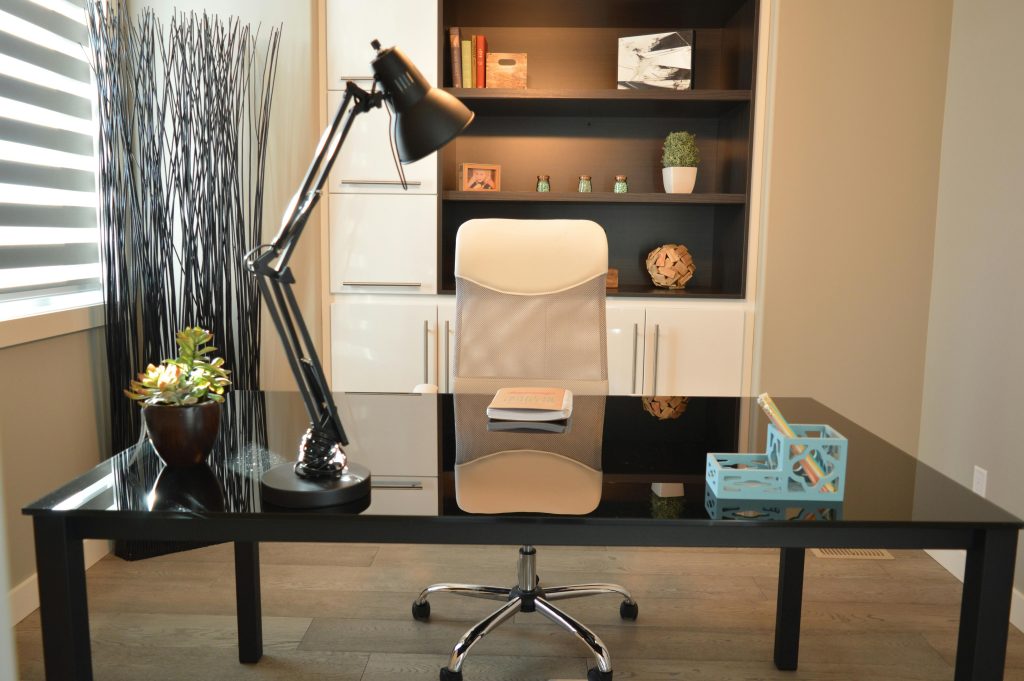
I’ve noticed that people who adjust their lighting throughout the day report feeling more alert during intensive tasks and more naturally ready to wind down during reflective work. This isn’t coincidence—it’s your circadian rhythm responding to environmental cues that most workspaces completely ignore.
The color temperature aspect deserves particular attention. Cooler light around 5000K mimics midday sunlight and signals your brain to maintain focus and alertness. Warmer light around 3000K resembles evening conditions and promotes the kind of relaxed state that’s actually better for certain types of thinking. Most overhead office lighting splits the difference poorly, creating a bland middle ground that optimizes nothing.
The Flexibility Factor That Nobody Talks About
Adjustability in desk lighting isn’t just about convenience—it’s about accommodating the reality that effective work positioning changes throughout the day. When you’re typing, you want light coming from the side to minimize screen glare. When you’re writing by hand, you need illumination from a different angle to avoid casting shadows with your hand.
What strikes me as particularly important is how adjustable lighting supports better posture habits. When you can direct light exactly where you need it, you stop unconsciously contorting your body to work around poor illumination. This seemingly small change prevents the gradual physical strain that accumulates over weeks and months of desk work.
The shared workspace consideration is crucial for households where multiple people use the same desk area. Height differences, preferred working distances, and even dominant hand orientation all affect optimal light positioning. A truly adjustable lamp accommodates these variations without requiring a complete setup change each time.
Beyond Eye Comfort: The Cognitive Connection
In my experience, the relationship between lighting and mental performance goes deeper than simple eye comfort. Harsh, poorly positioned light creates a low-level stress response that you might not consciously notice but that definitely affects your work quality. Your brain allocates processing power to managing visual discomfort, leaving less capacity for the actual task at hand.
What most people overlook is how lighting consistency affects concentration flow. When your eyes constantly adjust to varying brightness levels—from your screen to your documents to your surroundings—your focus fragments with each transition. Proper desk lighting creates a stable visual environment that supports sustained attention rather than disrupting it.
The flicker issue with poor-quality lighting deserves mention because it’s often subliminal. You might not consciously notice the slight strobing of cheap fluorescent or LED lights, but your brain certainly processes it. This creates a subtle but persistent distraction that can contribute to headaches and fatigue over time.
Who Benefits Most From Upgraded Desk Lighting
People who spend more than four hours daily at a desk see the most dramatic improvements from proper task lighting. This includes remote workers, students, designers, writers, and anyone doing detailed visual work. The investment pays off quickly in reduced eyestrain and improved work quality.
Individuals with existing vision challenges or those over 40 particularly benefit, as aging eyes require more light to function comfortably. If you find yourself leaning closer to your work or squinting frequently, upgraded lighting often provides more relief than you might expect.
Who Can Probably Skip This Investment
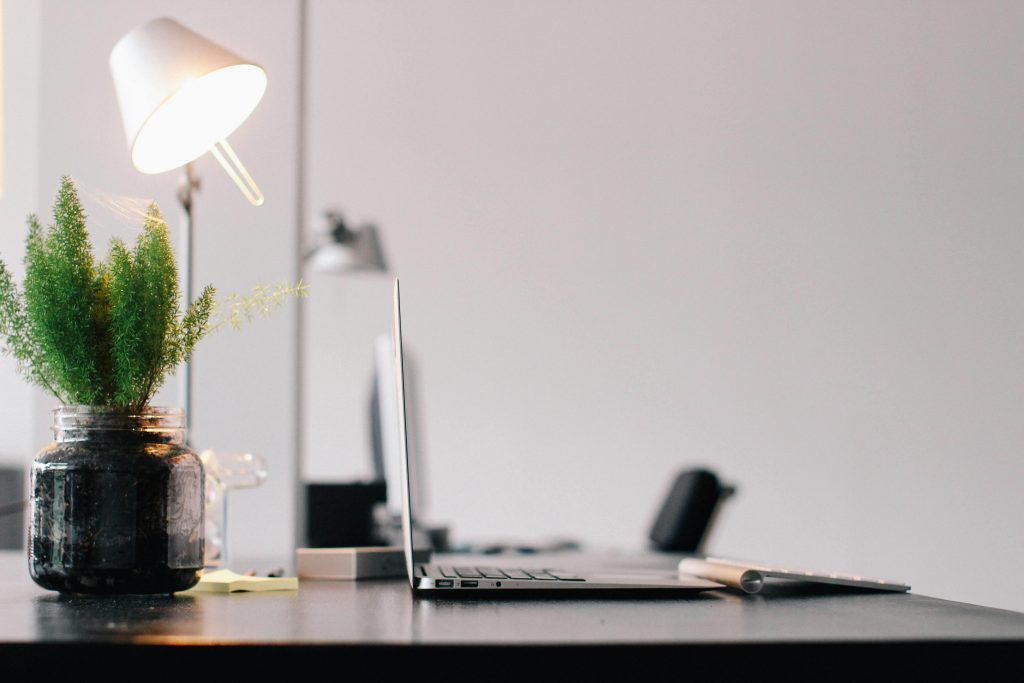
If your desk work is truly minimal—less than an hour daily—or if you primarily work in naturally well-lit spaces with large windows providing consistent illumination, a dedicated desk lamp might be unnecessary. Similarly, people who exclusively work on backlit devices like tablets might not see significant benefits.
The Workspace Integration Reality
The most effective desk lighting works as part of a coordinated workspace system rather than as an isolated upgrade. Your monitor height, keyboard position, and chair setup all interact with lighting placement to either support or undermine your comfort and productivity.
I’ve observed that people who approach workspace setup holistically—considering lighting alongside ergonomics—report better outcomes than those who address issues piecemeal. The goal is creating an environment where your body naturally settles into healthy positions rather than fighting against poor design choices.
Additional features like integrated charging or USB ports might seem like gimmicks, but they actually serve an important function in maintaining workspace organization. Reducing cable clutter and keeping essential items within easy reach supports the kind of smooth workflow that proper lighting is meant to enable.
The key insight is that good desk lighting doesn’t just illuminate your work—it creates conditions that support your best thinking and most comfortable working posture. This transforms ordinary tasks into more pleasant, productive experiences while reducing the physical and mental fatigue that accumulates over long work sessions.
Creating an optimal workspace environment requires attention to lighting that adapts to different tasks throughout the day. An adjustable desk lamp with variable brightness and color temperature can significantly improve both comfort and productivity during extended work sessions. A practical example can be found here:
As an Amazon Associate I earn from qualifying purchases.