Reusable Water Bottles for Daily Use
Disclosure / Affiliate Notice:
As an Amazon Associate I earn from qualifying purchases. Some links in this article may be affiliate links that earn me a commission at no extra cost to you.
The moment I switched from buying bottled water to carrying a reusable bottle everywhere, I realized how much mental energy I’d been wasting on something so basic. No more frantically searching for vending machines, no more paying inflated prices for water that tastes like plastic, and no more guilt about contributing to the mountain of single-use bottles cluttering our planet.
Here’s what most people don’t understand about reusable water bottles: they’re not just containers—they’re behavior modification tools that quietly reshape how you approach hydration throughout the day.
The Material Choice That Actually Matters
After testing dozens of bottles over the years, I’ve become convinced that material choice is where most people make their first critical mistake. They either go too cheap with flimsy plastic or overcompensate with heavy, expensive options they’ll abandon within weeks.
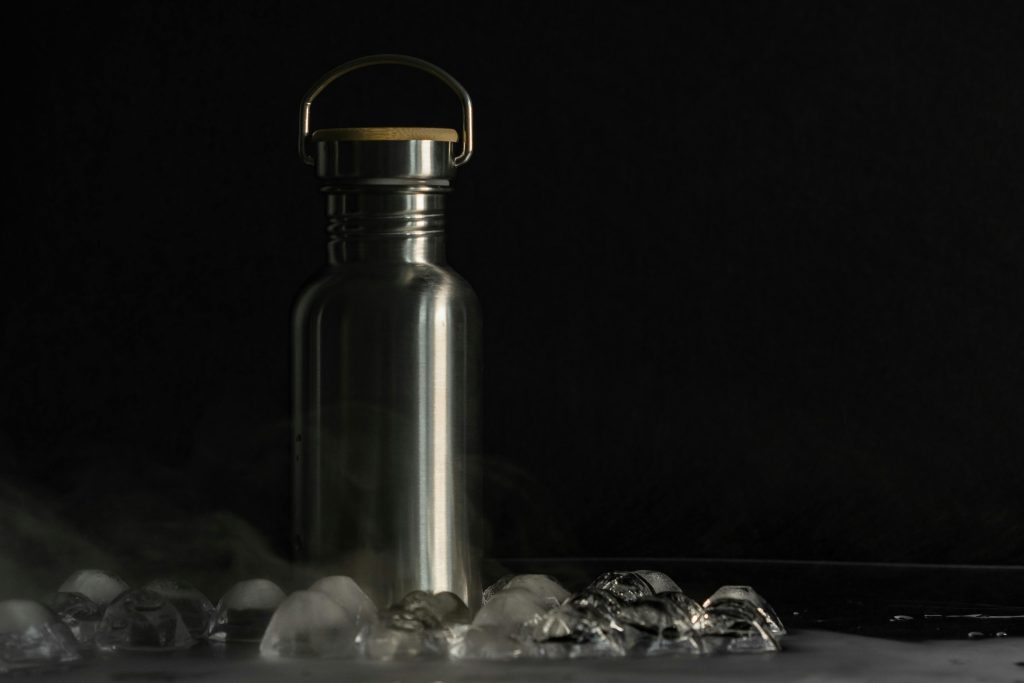
Stainless steel bottles represent the sweet spot for most users, though not for the reasons manufacturers typically advertise. Yes, they keep drinks cold, but more importantly, they’re nearly indestructible and don’t absorb flavors or odors. I’ve watched colleagues throw away plastic bottles after a few months because they started tasting like yesterday’s coffee or developed an unpleasant film.
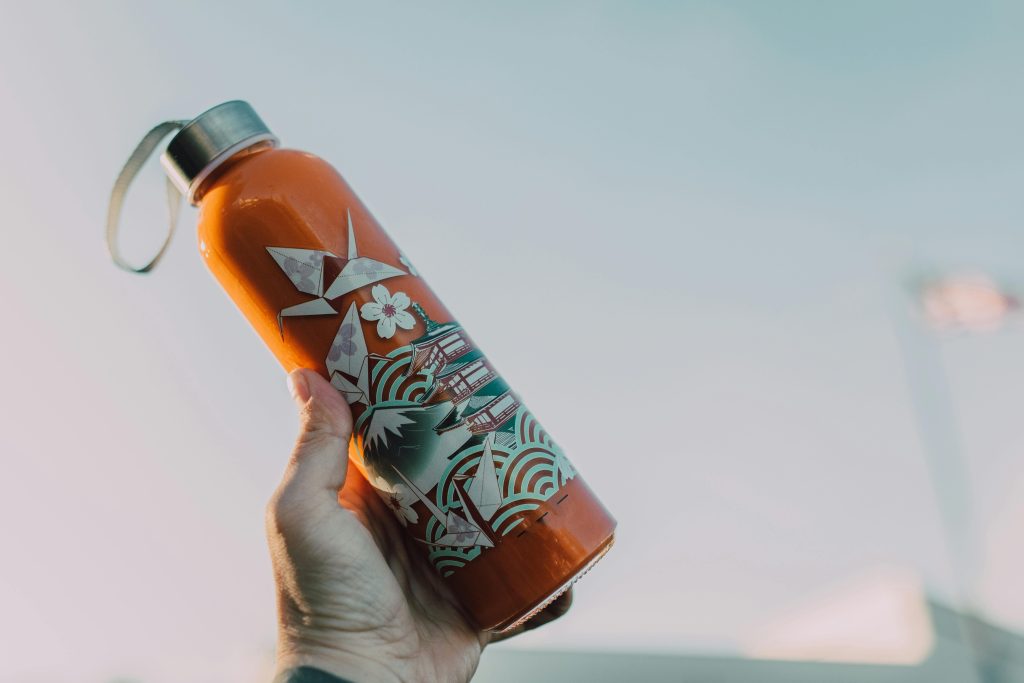
Glass bottles appeal to purists who want the cleanest taste, but they’re impractical for anyone with an active lifestyle. One drop on concrete and you’re back to square one, plus dealing with potential safety hazards.
The real insight here is that durability trumps every other consideration. A bottle you can use confidently for years will always outperform one that requires careful handling or frequent replacement.
Why Cap Design Determines Success or Failure
This is where I see the biggest disconnect between what people think they want and what actually works in daily life. Everyone gravitates toward complex mechanisms—push buttons, flip tops, fancy straws—but these features often become liability points.
In my experience, the simple screw-on cap remains superior for most situations. It creates a reliable seal, won’t break under pressure, and doesn’t have small parts that collect bacteria or require special cleaning tools. Those convenient one-handed flip caps might seem appealing, but they’re also the first components to fail, often at the most inconvenient moments.
The exception is for specific activities like cycling or running, where one-handed operation becomes genuinely necessary. For everyone else, the extra convenience rarely justifies the trade-offs in reliability and hygiene.
The Size Equation Most People Get Wrong
Here’s where personal honesty becomes crucial. Most people overestimate their commitment to carrying larger bottles and underestimate how quickly inconvenience kills good habits.
A massive 40-ounce bottle might seem like the obvious choice for staying hydrated, but if it’s too bulky for your daily bag or too heavy when full, you’ll start leaving it behind. I’ve seen this pattern repeatedly: people buy oversized bottles with good intentions, use them enthusiastically for a week, then gradually revert to buying disposable water because their reusable option became a burden.
The optimal size isn’t about maximum capacity—it’s about finding the largest volume you’ll actually carry consistently. For most people, this lands somewhere between 16 and 24 ounces. It’s enough water for several hours without being cumbersome, and small enough that refilling doesn’t feel like a major task.
Collapsible bottles deserve special mention here. While they solve the portability problem elegantly, they introduce new issues with cleaning and durability that many users don’t anticipate.
The Behavioral Psychology Behind Hydration
What most health advice misses is that hydration isn’t really about remembering to drink water—it’s about removing friction from the process. When your water source is visible, accessible, and pleasant to use, you naturally drink more without conscious effort.
This is why bottle placement matters more than most people realize. A bottle that lives at the bottom of a bag or requires effort to access might as well not exist during busy periods. The most effective approach is treating your bottle like a phone or keys—something that stays within arm’s reach throughout the day.
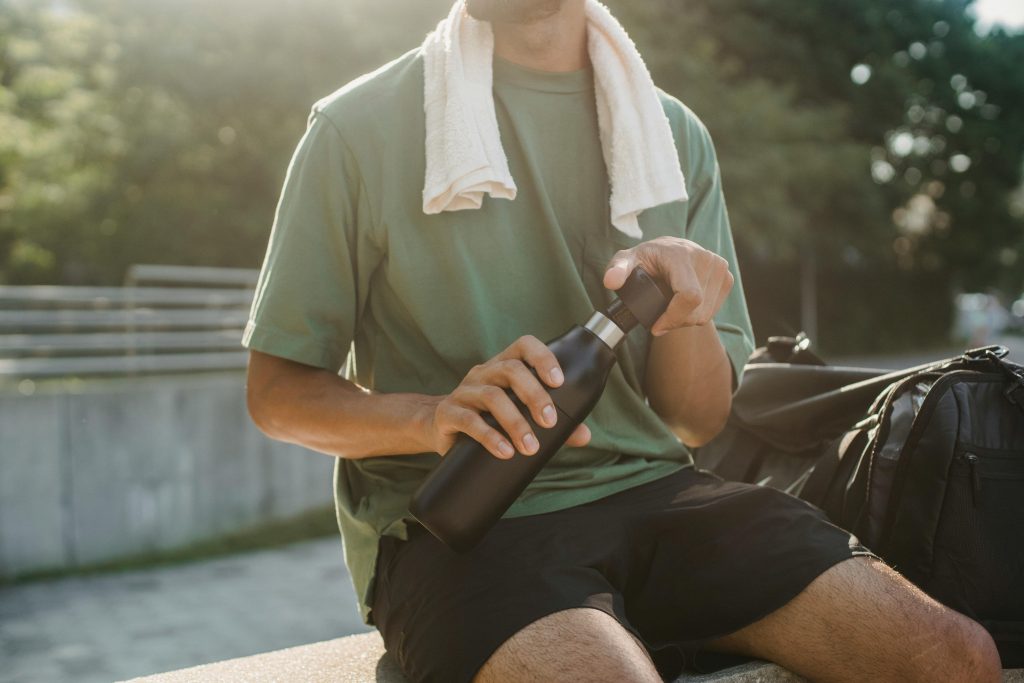
I’ve also noticed that people who choose bottles they genuinely like—whether for aesthetic reasons or functional preferences—tend to use them more consistently. This might seem superficial, but psychological comfort with your tools affects compliance more than rational features alone.
The Maintenance Reality Check
Every bottle eventually requires cleaning, and this is where many well-intentioned hydration plans fall apart. Complex designs with narrow openings, internal straws, or multiple components create cleaning challenges that busy people simply won’t maintain.
Wide-mouth bottles win decisively here. You can actually see inside to confirm cleanliness, reach every surface with standard cleaning tools, and even add ice cubes without frustration. The slight trade-off in drinking convenience is worth the massive improvement in long-term usability.
Daily maintenance should require nothing more than soap, water, and maybe a bottle brush for deep cleaning. Anything more complex than that is fighting against human nature.
Who This Actually Benefits
Reusable water bottles make the most difference for people who spend significant time away from home—commuters, office workers, students, and anyone with active lifestyles. These are the groups paying the highest premiums for convenience hydration and generating the most waste.
Conversely, people who work primarily from home or have constant access to quality tap water may find the benefits less compelling. The environmental argument still applies, but the personal convenience factor diminishes significantly.
The biggest winners are parents dealing with multiple family members’ hydration needs. Quality reusable bottles eliminate the constant expense and logistical complexity of managing disposable water for everyone.
A well-chosen reusable water bottle becomes invisible infrastructure in your daily routine—present when needed, reliable when used, and simple enough to maintain without thinking about it. For consistent daily hydration, a durable stainless steel option with a wide mouth and secure cap offers the best balance of practicality and longevity. A helpful option worth considering:
For consistent daily hydration, a durable stainless steel option with a wide mouth and secure cap offers the best balance of practicality and longevity. A helpful option worth considering:
As an Amazon Associate I earn from qualifying purchases.